
Interested in coming to New Zealand?
Sign up to receive relevant job opportunities from New Zealand employers and practical advice on how to make your move to New Zealand a reality.
If you use assistive technology or experience issues with the tool, you can use our housing scenario tool text alternative.
If you are buying a property together with your partner and at least one of you is eligible to buy, you can purchase the property.
If you need to apply for consent prior to purchasing, only one of you will need to apply.
The rules for overseas people buying or building a home in New Zealand came into force on 22 October, 2018. Any property you bought before that date is not included in these rules and you can keep it. If you want to buy another property now, then these rules will apply.
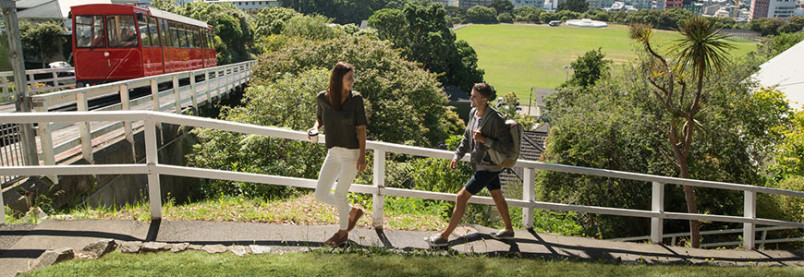
New Zealand has a mix of housing types, from standalone buildings on a block of land (section) to attached townhouses and apartments. It can take as little as 3 to 4 weeks to complete the process of buying a house in New Zealand, once you have found the place you want. After a bid is formally accepted there can be no last minute offers, which makes buying here a lot less stressful than in some parts of the world.
If you choose to buy a section there are different options for building a home that meets your particular needs. There are also different types of land ownership. The type of ownership has a direct impact on what you can and cannot do with the property, so it is important to understand what you are buying.
The independent and government-backed consumer website settled.govt.nz - from the Real Estate Authority (REA) – has more information about buying and building a home in New Zealand.
Buying a home | settled.govt.nz
Building a new home | ConsumerNZ
The process for buying a property in New Zealand is well organised and well regulated to ensure a fair process for both sides.
Most home and land sales are completed using a real estate agent. A smaller number of sales are made privately. In either case, it is wise to get independent advice from a lawyer or conveyancer experienced in home buying (‘conveyancing’) before you make an offer.
You can find a lawyer using the New Zealand Law Society website, or a conveyancer using the New Zealand Society of Conveyancers website.
The settled.govt.nz website explains the New Zealand property buying and selling process, including what to expect from a real estate agent.
Understanding the home buying process | settled.govt.nz
Making an offer | settled.govt.nz
Find a lawyer or organisation | New Zealand Law Society
Find a conveyancing firm | New Zealand Society of Conveyancers
It is common to negotiate on the price when buying a house.
Advertisements usually show either an RV (rateable value), GV (government valuation) or CV (council valuation) figure. These figures refer to the valuation used by the local council to calculate rates (council tax) for the property. They are not registered valuations and they often do not reflect the property’s true market value.
The Quotable Value website has an overview of values based on actual sales. It has district by district profiles covering general sales information, population and local weather. You can also buy more detailed reports about previous sales in the area or even for a specific address.
You can ask a registered valuer to provide an independent valuation for a property you are interested in. You have to pay for this, but it will be more accurate because it will consider – among other things – sales in the area, the type of property, its features and what the house is made of.
A good place to start looking for properties is online. TradeMe and other property websites have listings from real estate agents as well as private vendors. Some properties are only listed on the agents’ own websites or in brochures available in the local area.
Residential property | Trade Me
Houses for sale | Realestate.co.nz
Residential Property Search | Open2view.co.nz
If you are buying or building a home you will need to include rates in your budgeting.
Home owners, including landlords, pay rates but tenants do not.
Rates are a ‘tax’ charged by local councils to help pay for the services they provide the community. Rates vary from place to place, but they are always based on the value of the property.
Your local council’s website will have more information about the rates you will be paying in the area you are thinking of buying in. You can find contact details for the local council on the ‘Community services’ page for your region.
All the major banks in New Zealand offer home loans (mortgages). You can contact the banks directly and many have a migrant banking service with multilingual staff. You can also work through mortgage brokers who negotiate with the banks on your behalf.
As a new arrival you will not have a credit history, so make sure you bring some evidence of your credit history in your home country. For more about banking and mortgages in New Zealand see our 'Banking' page.
You usually need a good deposit to get a home loan as there are restrictions on how much of a property’s value banks can lend you. They are called the loan-to-value ratio requirements (LVR). The Reserve Bank has a document you can download that outlines the LVR rules.
Loan-to-valuation ratio restrictions | Reserve Bank
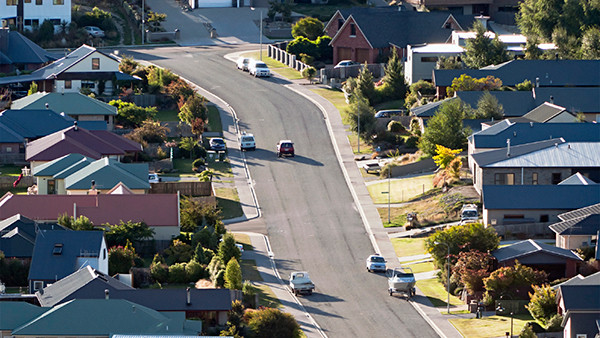
In New Zealand, home insurance is usually calculated on a ‘sum insured’ basis. This means that if your home needs to be rebuilt, the insurer will only pay out to the maximum sum that you specify when you take out your policy. So you need to have a good idea of what it would cost to replace your home if the worst should happen. You may need to get a valuation to decide how much this would be. As a start, most insurance companies’ websites have links to online calculators.
The sorted.org website has more information on working out home insurance.
Earthquake damage to homes in New Zealand is covered by our Earthquake Commission (EQC). Its charges are automatically added to your home insurance invoice. However, to qualify for EQC earthquake cover you must first have private home or contents insurance.
If you are buying an apartment, insurance for the building will normally be included in the annual body corporate fee. Make sure you check the details of this before you purchase. You will need to provide your own contents insurance.
Insuring your home | Sorted.org
Take the first step to a new life by registering your interest with Immigration New Zealand. We’ll send you personalised emails about job opportunities in your profession, life in New Zealand and choosing the right visa.
It’s free and there’s no obligation.Sign up to receive relevant job opportunities from New Zealand employers and practical advice on how to make your move to New Zealand a reality.